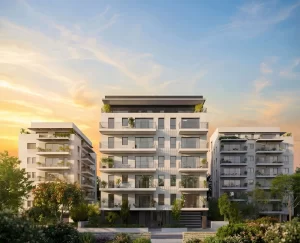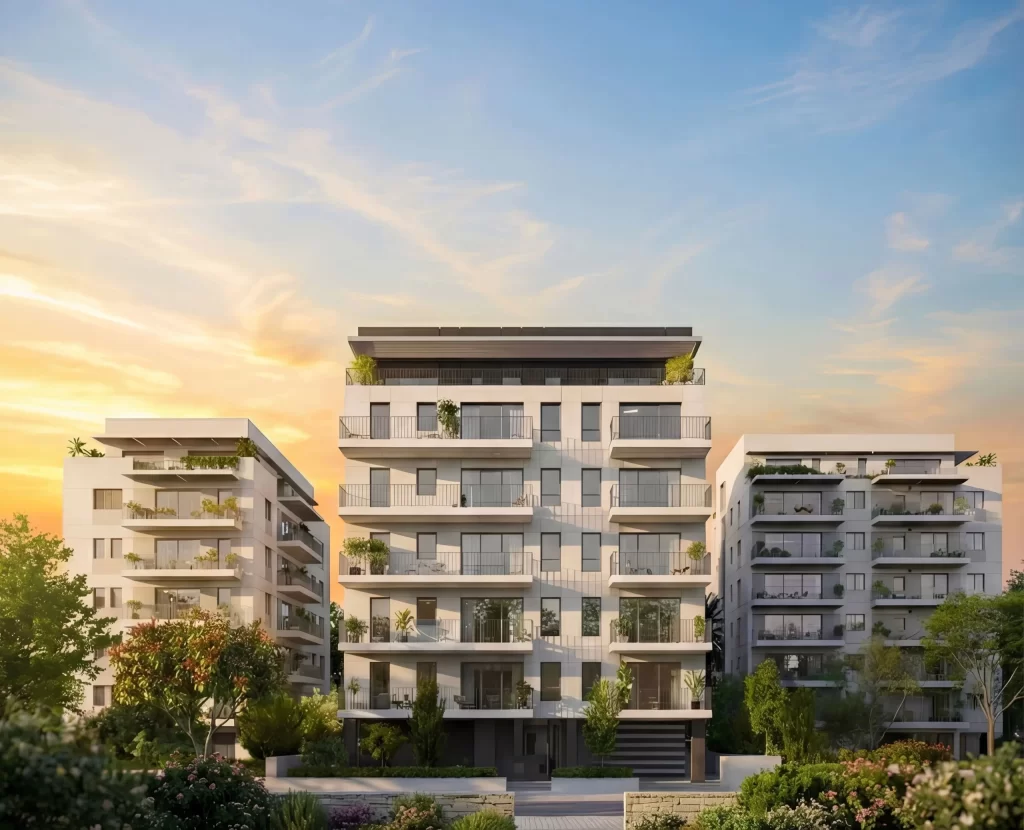


Navigating an international real estate market can feel complex, but with the right guidance, finding your dream property becomes an empowering and rewarding journey. Whether you want to buy a house in Israel for your family’s Aliyah, secure a sun-drenched holiday home, or expand your portfolio with high-yield real estate, mastering the local market landscape is your key to success.
This comprehensive pillar guide breaks down everything you need to know about how to buy a home in Israel, from choosing prime locations and evaluating developer specifications to understanding purchase taxes and navigating payment structures.
1. Defining Your Goal: Investment vs. Residence
Before exploring homes for sale in Israel, you must define the core motivation behind your purchase. Your primary objective directly shapes your location strategy, property selection, and financial plan. Throughout this article, we will also cover the most relevant property options, development models, and payment alternatives available to international buyers today.
- For Primary Residence or Aliyah: If you plan to live in the home, your priority will center on lifestyle, community, and daily convenience. Key factors include proximity to English-speaking communities, top-rated schools, synagogues, public transport, and urban amenities.
- For Real Estate Investment: If your goal is to buy real estate in Israel for rental yield or long-term capital appreciation, your strategy will prioritize high-demand tenant markets, emerging infrastructure corridors, and strong resale potential. Tax structures also differ significantly between buying a primary residence and purchasing an investment property.
2. The Standard of New Israeli Apartments: What to Expect
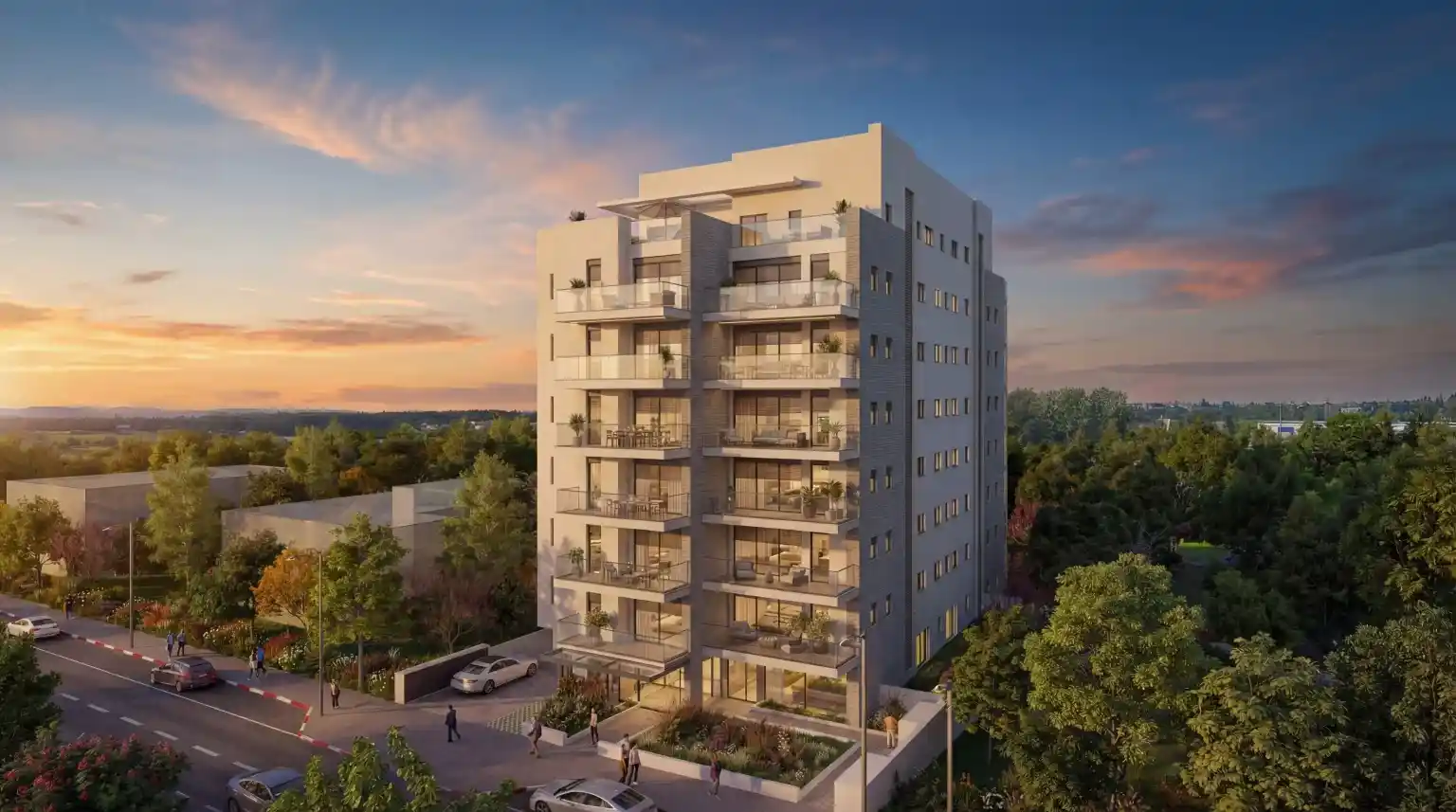
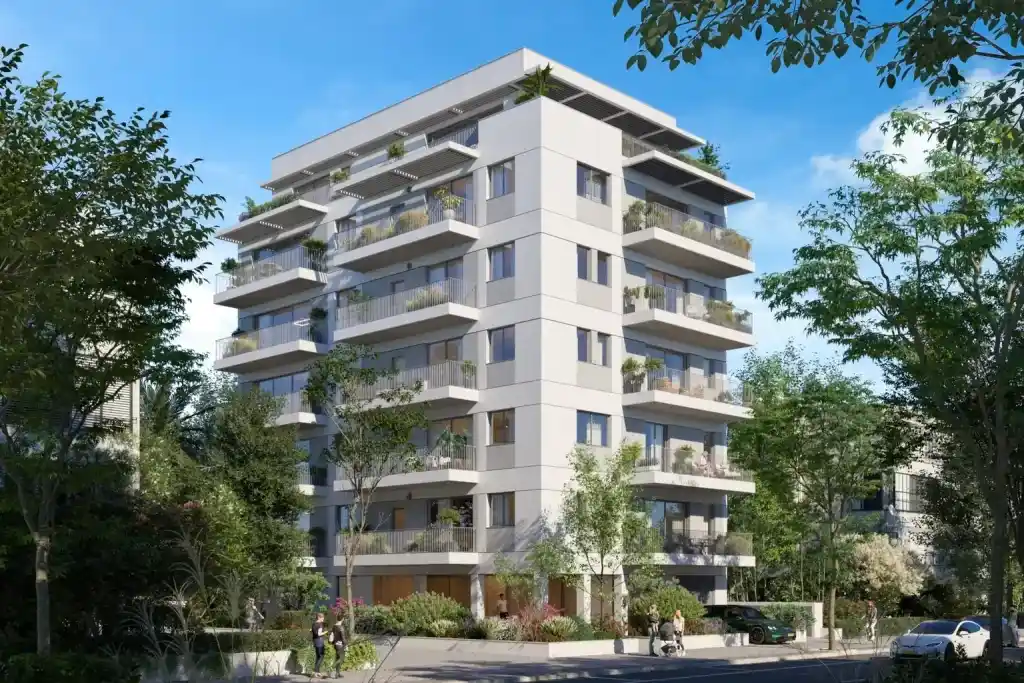
When exploring new apartments for sale in Israel, the standard building specifications differ significantly from older residential stock and often surpass typical overseas offerings.
- The Mamad (Private Safe Room): By law, Every modern Israeli apartment includes a Mamad – a private, reinforced safe room built within the apartment. Over the last three years, the Mamad has proven to be a true life-saving asset. Demand for properties featuring a Mamad has surged by dozens of percent, providing homeowners with irreplaceable peace of mind and an enhanced overall living experience.
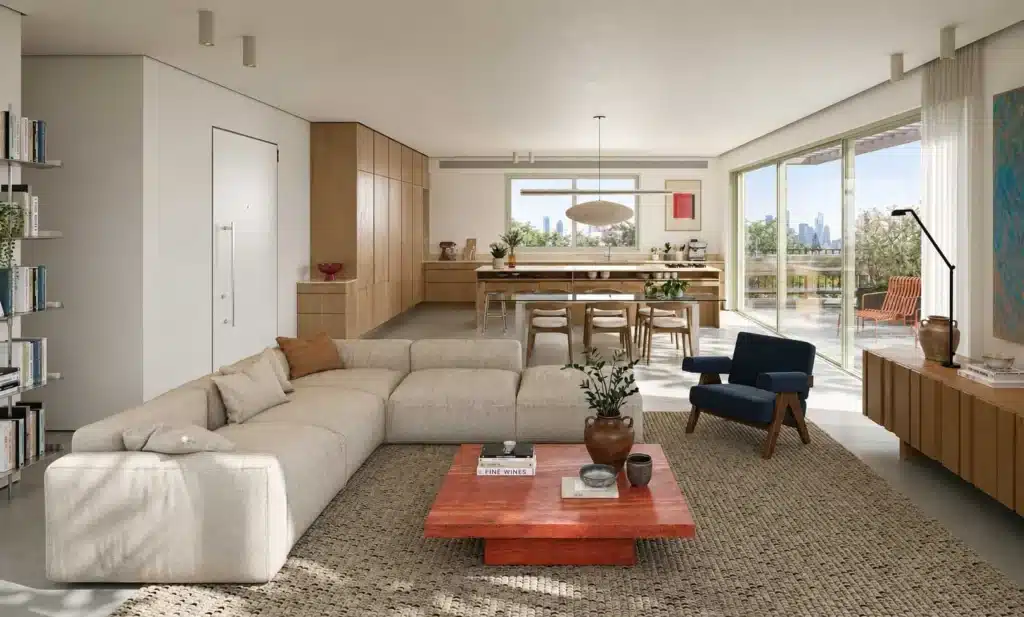
- Turnkey Specifications & Upgrades: Unlike markets where homes are delivered as empty shells, new Israeli apartments include finished flooring, central air conditioning, fitted kitchens, and complete sanitary fixtures (sinks, faucets, and toilets). While many developers offer a baseline standard that buyers can upgrade at an added cost, premium developers who cater to higher construction standards, such as SoCity, provide rich, upgraded specifications and a wide variety of high-end design finishes as default.
- Essential Package Inclusions: Modern developments almost universally include a sun balcony (Mirpeset Shemesh), assigned private parking, and a dedicated storage room (Machsan).
- Room Count: One of the most common points of confusion for overseas buyers is how property size and layouts are defined in Israel. Unlike Western markets where properties are listed by the number of bedrooms, homes in Israel are measured by total room count, which always includes the main living room (Salon), for example:
- 3-Room Apartment: 2 Bedrooms + 1 Living Room
- 4-Room Apartment: 3 Bedrooms + 1 Living Room
- 5-Room Apartment: 4 Bedrooms + 1 Living Room
Note: The mandatory reinforced safe room (Mamad) is counted as one of the standard bedrooms in the overall room count.
- Open-Concept Living Areas: Modern Israeli homes prioritize spacious, light-filled communal areas. The living room and dining space are fluidly connected to the kitchen rather than being separated by walls. In brand-new developments, kitchens are designed as an open-plan extension of the living space, creating a seamless social environment that opens directly onto the main sun balcony.
- Special Property Types: Garden Apartments & Penthouses: If you are looking for unique layout options beyond standard mid-floor apartments, developers in Israel offer distinct specialty property types:
- Garden Apartments (Dirat Gan): Located on the ground floor, these homes feature a private garden, lawn, or tiled patio accessible directly from the living room. Garden apartments offer the feel and indoor-outdoor flow of a private house with the security and maintenance benefits of a residential building, making them exceptionally popular among families with young children and pet owners.
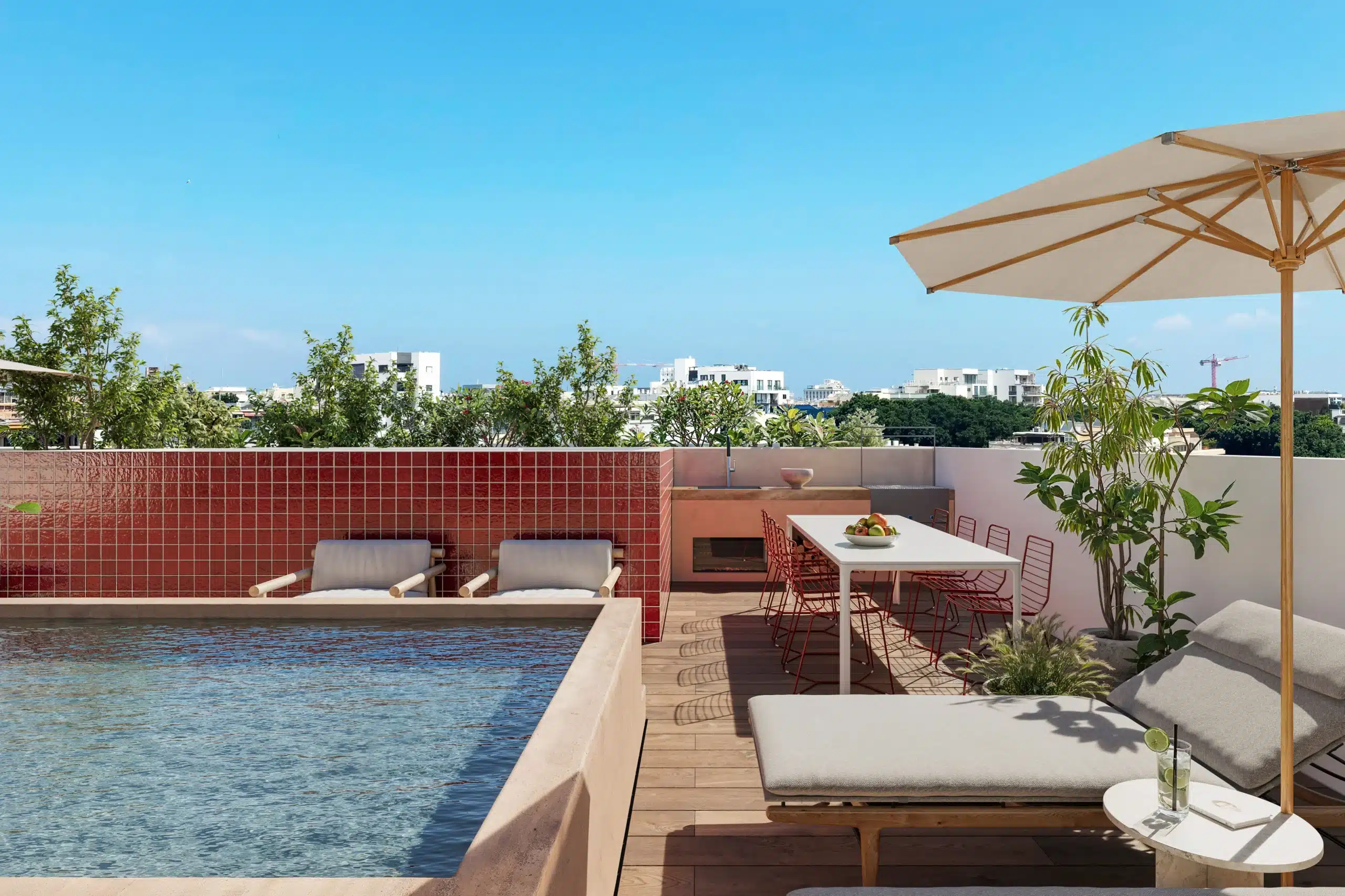
- Penthouses: Positioned on the top floor of a building, penthouse apartments represent the pinnacle of luxury urban living. They typically span large floorplans and feature expansive sun terraces, elevated ceilings, panoramic views, and premium default upgrades. Multi-level options (duplex or triplex penthouses) are also available in luxury developments, often including private rooftop plunge pools or direct elevator access into the residence. Penthouses and Garden apartments usually enjoy upgraded specifications and utilities, such as extra storage, extra parking, extended balconies, etc.

3. Most Desired Locations and Property Values
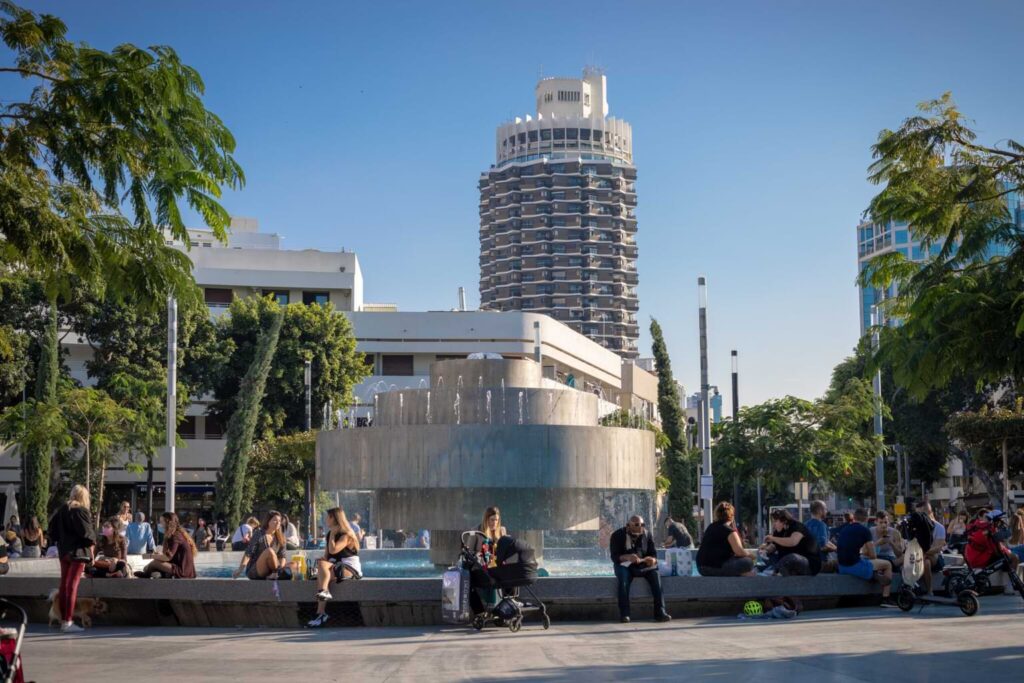
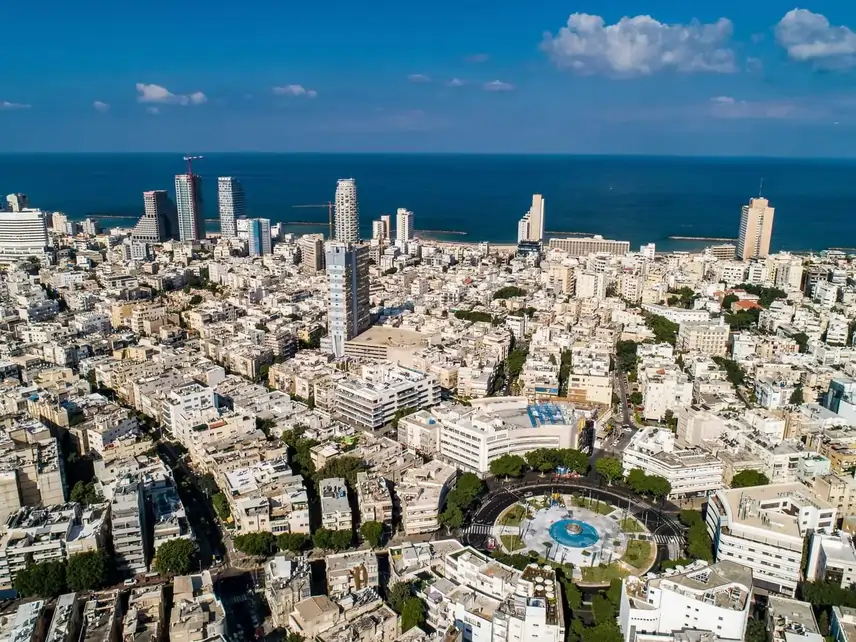
Most desired locations for living in Israel include the Old North and New North of Tel Aviv, the Old City of Jerusalem and its historic surrounding neighborhoods, and coastal cities offering direct access to the shore such as Herzliya. Demand for real estate remains heavily concentrated in these premier central and cultural hubs.
Whether you are seeking luxury coastal living or high rental demand, understanding the market value per square meter (sqm) is essential when searching for homes for sale in Israel. Below is a snapshot comparing average price points and estimated total costs for a standard 100-square-meter (100 sqm) built apartment across top markets.
Property Price Comparison Across Premier Israeli Markets
| City & Neighborhood | Key Target Audience & Appeal | Avg. Price per Sqm (NIS) | Est. Price for 100 sqm Apartment (NIS) |
| Tel Aviv (Beachfront & Old North) |
High-net-worth buyers, international investors, and lifestyle seekers desiring steps-to-the-beach luxury. | 70,000 – 95,000 | 7,000,000 – 9,500,000 |
| Tel Aviv (New North & City Center) |
High-tech professionals, urbanites, and investors looking for walking proximity to Rothschild Blvd, culture, and dining. | 60,000 – 80,000 | 6,000,000 – 8,000,000 |
| Herzliya (Beachfront / Marina) |
Prime target for Olim and investors seeking upscale coastal living, vibrant Anglo communities, and tech-hub proximity. | 55,000 – 80,000 | 5,500,000 – 8,000,000 |
| Ramat Gan | Outstanding option for yield investors and families seeking lower price points adjacent to Tel Aviv with Light Rail access. | 32,000 – 45,000 | 3,200,000 – 4,500,000 |
| Bat Yam (Coastal Strip) |
High capital-growth potential; beachfront lifestyle at a fraction of Tel Aviv prices, fully connected via the Light Rail. | 30,000 – 42,000 | 3,000,000 – 4,200,000 |
| Jerusalem: Premier & Historic Hubs (German Colony, Mamilla, Arnona, Talpiot) |
Foreign buyers, Olim, diplomats, and vacation-home seekers are drawn to historic charm, Anglo centers, and walkability to the Old City. | 48,000 – 65,000 | 4,800,000 – 6,500,000 |
| Jerusalem: Growth & Family Hubs (Malha, Bayit VeGan, Kiryat Hayovel) |
Families and move-up buyers looking for value, excellent connectivity, and neighborhood revitalization through urban renewal. | 32,000 – 48,000 | 3,200,000 – 4,800,000 |
Driven by a persistent housing supply shortage and strong demographic growth, core demand areas in Israel have historically demonstrated remarkable resilience and capital growth.
4. Understanding Costs: VAT and Purchase Tax
Accurate financial planning is critical when you decide to buy real estate in Israel. You must account for statutory taxes beyond the property’s headline purchase price.
- Value Added Tax (VAT / Ma’am): When purchasing a brand-new apartment directly from a developer, the quoted purchase price already includes Israel’s standard Value Added Tax (18%).
- Purchase Tax (Mas Rechisha): The quoted price does not include Purchase Tax. This tax is levied on a progressive tiered rate and varies significantly depending on your buyer profile, whether you are an Israeli single-home resident, a new immigrant (Oleh Chadash) utilizing special tax credits, or a foreign buyer purchasing a second home.
5. Buying “On Paper” (Presale) vs. Ready-to-Move-In
When searching for apartments for sale in Israel, buyers choose between purchasing an existing, ready-to-move-in property or buying “on paper” (presale) prior to completion. While ready properties offer immediate occupancy, buying on paper includes flexible payments as the buyer may wait 3-5 years before getting the keys to their new home in Israel.
Besides the certainty embodied in buying a ready home, buying a new home on paper is traditionally the most common way to purchase a new apartment in Israel, preferred by most of the buyers in the market who look for new assets. Main reasons for that are (i) when you buy real estate in Israel on paper you can make major changes to the house, sometimes impossible or unworthy when dealing with a ready property; and (ii) payments are much more flexible, allowing the opportunity to secure a new house today without paying mortgage payments until occupancy. Although, a deal for a new home in Israel presents distinct payment structures that require careful evaluation:
Payment Alternatives When Buying “On Paper”
- Deferred “Financing Deals” (and Their Hidden Risks): Many presale projects promote deferred payment structures (e.g., paying 20% down and 80% upon key handover). These schemes appeal to buyers who cannot immediately cover full construction costs, allowing them to freeze payments for 3 to 5 years by taking a loan directly from the contractor. However, this model carries hidden costs, often inflating the effective apartment price by up to 20% (adding 500,000 to 1,000,000 NIS per deal). Furthermore, high market interest rates have caused a sharp rise in financing deal cancellations when buyers fail to secure final bank loans. This places severe liquidity pressure on developers and risks putting entire projects in jeopardy. Therefore, if you look for a developer who enjoys financial stability you better go with the traditional Linear payment described below.
- Linear “Construction Linked” Payments (The Safest Option): The primary alternative is a linear payment plan, where installments are tied directly to verified physical construction milestones. Linear payments represent the cheapest, safest, and most financially transparent way to buy an apartment in Israel on paper, protecting you from inflated developer premiums and market volatility. The main disadvantage of Linear payment is that the buyer has to put down payments before getting the keys, which is something that not everyone can afford.
6. Types of Development: Pinui Binui vs. New Construction
Understanding the type of development project is essential because it directly impacts your ability to secure property in Israel’s most sought-after neighborhoods.
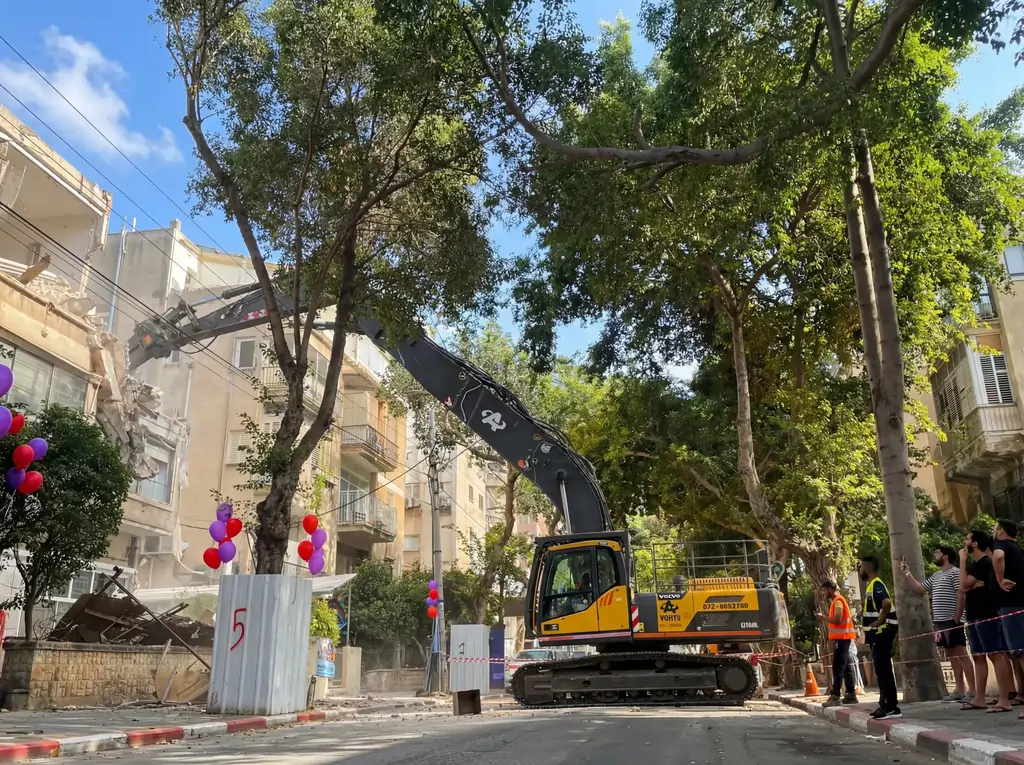
- Pinui Binui (Urban Renewal): Pinui Binui is the Israeli form (the main out of some) of Urban Renewal, where developers demolish aging, low density structures to construct modern residential buildings in their place. This framework is vital for international buyers: in iconic, fully developed areas like Tel Aviv’s Old North or Jerusalem’s German Colony, vacant land for new construction is virtually non-existent. Urban Renewal is often the only mechanism available to buy a modern, brand-new apartment in prime, established city centers.
- Ground-Up New Construction: These developments take place on newly allocated, undeveloped land. While they feature newly planned infrastructure, wide avenues, and modern parks, they are predominantly situated in developing suburban areas or peripheral districts, taking years to establish a mature community feel and surrounded by major construction sites for years to come.
7. How to Buy a Home in Israel: Step by Step
When looking to buy an apartment in Israel, following a disciplined roadmap ensures a smooth transaction from your initial search to receiving the keys.
A. Decide Your Total Budget:
Factor in taxes, legal fees, and index adjustments.
Establish your complete financial plan before making offers. Calculate your total acquisition budget by factoring in the property’s base price, Purchase Tax (Mas Rechisha), legal representation (typically 1%–2% + VAT), brokerage fees, and a buffer for Building Construction Index (Madad) adjustments if buying presale.
B. Select Your Target Area:
Match locations with lifestyle or investment goals.
Choose a district aligned with your long-term plan. Seek out established Anglo communities, top schools, and cultural amenities for Aliyah, or focus on strategic Urban Renewal (Pinui Binui) corridors in high-demand rental centers like Ramat Gan, Bat Yam, or central Tel Aviv for maximum yield.
C. Find the Right Developer:
Choose developers known for quality and architectural flexibility.
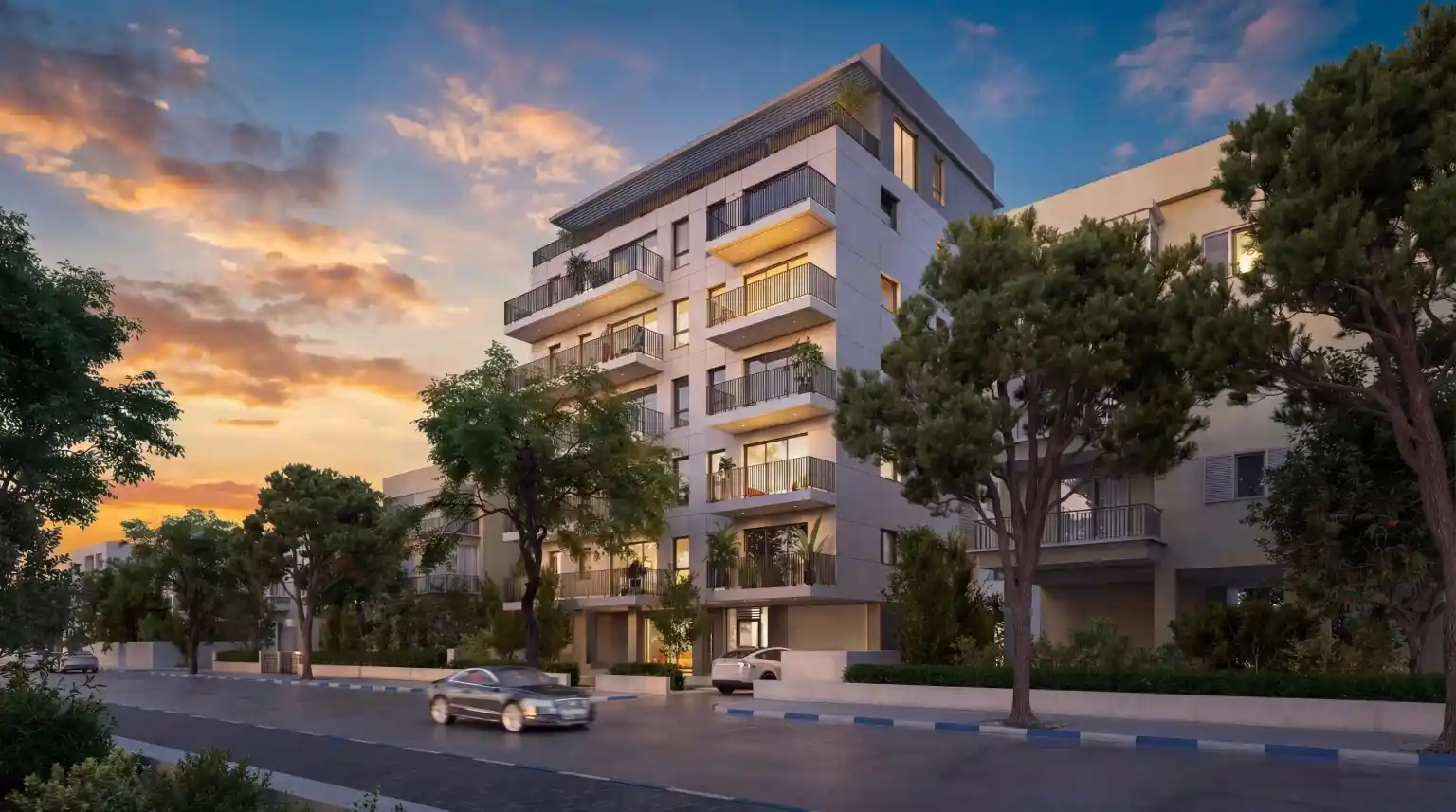
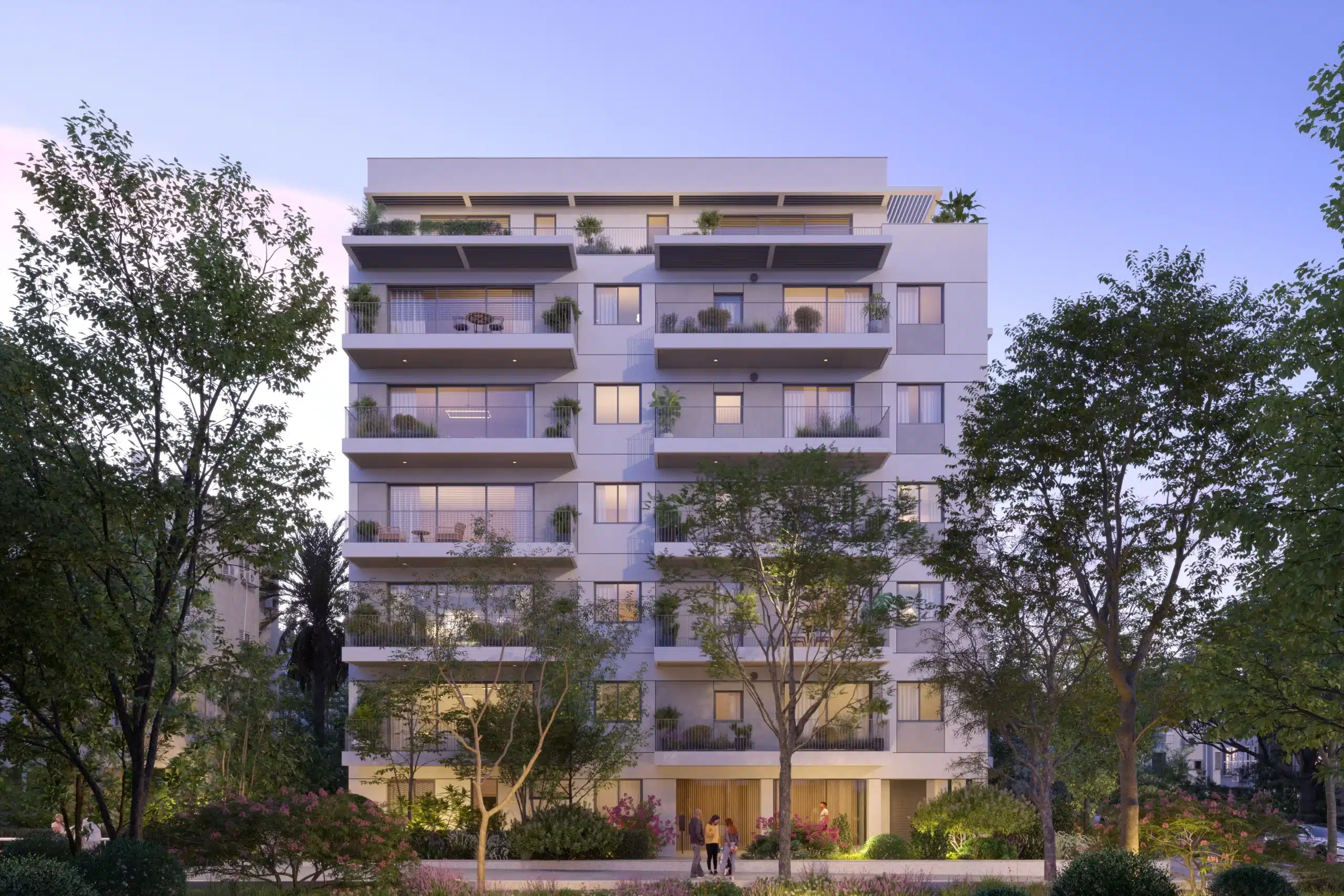
Not all real estate developers offer the same capabilities. Some specialize in high-rise towers, while others focus on luxury boutique buildings in prime city sectors. Look for developers offering high flexibility in floorplan customization. For instance, an international buyer in Tel Aviv recently merged multiple units across 3 full floors in a 6-story boutique project we develop in the city, to create a custom private triplex penthouse.
D. Choose Your Specific Apartment:
Evaluate size, layout, orientation, and included utilities.
Select the specific unit that meets your exact physical criteria:
- Layout & Size: Select the precise square footage, room count, and utility connections required for your family.
- Light & Breeze (Kivunei Avir): Prioritize optimal wind and sun exposures (e.g., South-West exposures for sea breezes).
- Included Amenities: Confirm that your contract includes a private safe room (Mamad), sun balcony (Mirpeset Shemesh), parking spot, and storage room (Machsan).
E. Negotiate Contract Terms & Structure:
Negotiate upgraded specifications and safe payment schedules.
Work with your Israeli real estate attorney to finalize terms. Rather than accepting risky financing deals, leverage negotiations to secure upgraded technical specifications, premium kitchen allowances, and high-end finishings. When paying linearly, always tie transfers directly to completed construction progress to ensure a secure deal.
8. What is the First Step I Must Do Before I buy a house in Israel?
To make informed decisions, you must understand exactly what top developers provide in a high-end property specification. The best way to begin your journey is by reviewing a real technical specification sheet and floor plan for a modern property for sale in Israel. You can download here an example specification of a new apartment in Tel Aviv.